Christian Special Occasion Ceremonies
Description
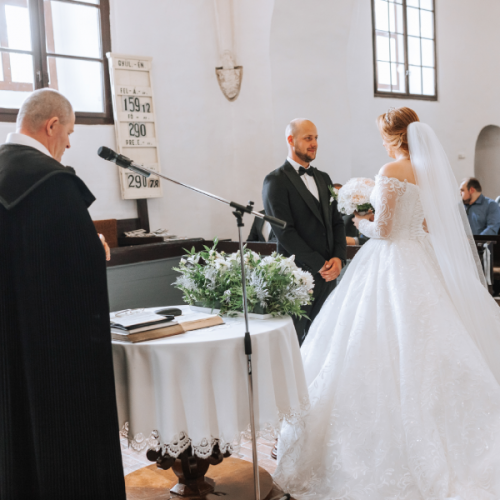
Christian prayer ceremonies are rich in history and spiritual significance, designed to honor and celebrate pivotal moments in life, such as weddings, baptisms, and dedications of places or endeavors. These ceremonies often blend traditional elements with personal touches, fostering a deep sense of community, spirituality, and intentionality.
Overview
-
Environment and setting
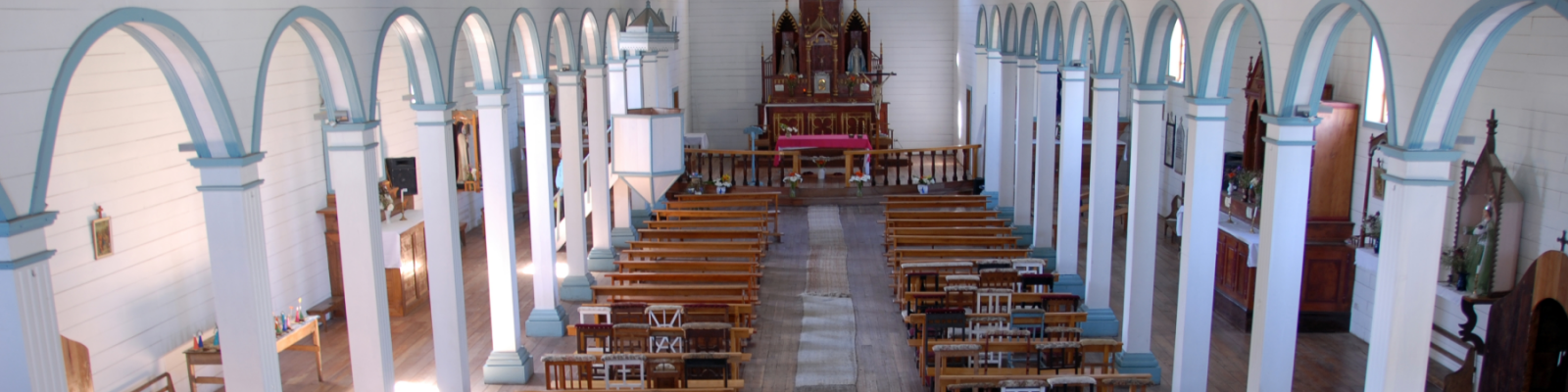
Ceremonial spaces typically feature symbols of purity and light, such as candles and flowers, which represent the presence of the Holy Spirit and the beauty of God’s creation. Though less common, incense might be used symbolically to represent prayers ascending to heaven. In some Christian traditions, specific scents like frankincense might be utilized.
-
Opening Prayers and Liturgies
Ceremonies usually begin with an invocation, inviting God’s presence and blessing on the gathering. Passages from the Bible are often read to ground the ceremony in Scripture and reflect on God’s promises. A spiritual leader or pastor may lead a reflection related to the occasion—such as love and unity in a wedding, or faith and growth in a baptism. Short sermons might be integrated, focusing on relevant themes like prosperity, happiness, or the significance of the event in the Christian life.
-
Prayers and Blessings
Congregational prayers bind participants together in shared intention and devotion. Participants might receive individual blessings, whether through the laying on of hands or spoken words, seeking divine favor and guidance.
-
Chanting and Hymns
Hymns, chants, and spiritual songs are woven throughout ceremonies, enhancing the communal worship experience and deepening participation.
-
Closing Practices
Final Prayers and Benedictions. The ceremony concludes with closing prayers and a final blessing, sending participants forth with God’s peace and guidance. Sometimes, especially in church settings, the ceremony may end with communion or a communal meal to foster fellowship.
-
Benefits of Christian Prayer Ceremonies
These ceremonies provide a sacred space for connecting deeply with God, enhancing personal and communal spirituality. Participants are encouraged to reflect on their relationship with God and the impact of divine grace in their lives.
-
Community Building
Prayer ceremonies unite individuals in shared faith and purpose, strengthening bonds within the Christian community. They provide opportunities for communal prayer and support, fostering a sense of belonging and mutual encouragement.
-
Moral and Ethical Reflection
The ceremonies often inspire participants to reflect on virtues such as love, compassion, and humility. Engaging with scriptural teachings encourages ethical living and personal growth in accordance with Christian principles. By marking significant events, these ceremonies provide a framework for celebrating life’s joys and navigating its challenges with faith. They offer moments to seek God’s guidance and express gratitude for His blessings on important milestones.
-
Tradition and Continuity
Rooted in Christian tradition, these ceremonies connect participants with their faith heritage, assuring continuity and a sense of historical identity. They provide a structured way to express and pass down beliefs and values across generations.
Here Are Some Key Elements And Benefits
Are You a Wellness Professional Guided by Purpose and Faith?
People are searching for a voice and presence like yours. Join a community where your work can reach and uplift those who truly need it.
Join CurityCare Today